



When people picture Scotland, certain images tend to spring to mind: mist‑shrouded hills, the drone of bagpipes and, of course, the kilt. This pleated garment has become shorthand for Scottish identity. But what is a kilt, and how did it come to occupy such a prominent place in the cultural imagination? In this article we explore the origins, evolution and modern significance of the kilt, bringing its history alive with a narrative that feels as human and as layered as the fabric itself.
Origins and etymology
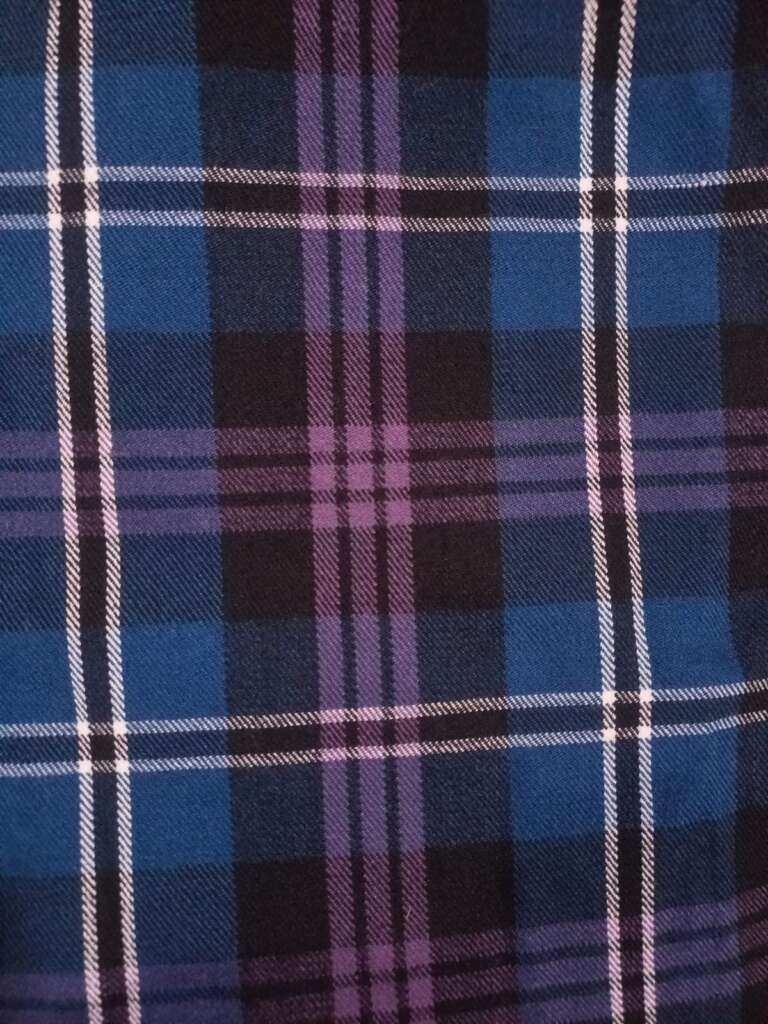
The kilt is a wrap‑around, knee‑length garment with heavy pleats at the back and sidemen. Traditionally woven from twill‑woven worsted wool in distinctive tartan patternsen.wikipedia.org, it is fastened by straps and buckles and normally worn at the natural waist. Though now strongly associated with Scotland and Gaelic culture, the word “kilt” predates the garment we recognise today. It comes from a Scots verb meaning “to tuck up the clothes around the body”. The verb itself derives from Old Norse, where kjalta referred to a lap or folded garmenten.. The Online Etymology Dictionary notes that the noun appears around 1730 to describe the pleated portion of the belted plaid and traces it to a Middle English verb, kilten, “to tuck up,” from Scandinavian roots. This etymology highlights that the kilt began as a practical way to gather fabric off the ground, not yet a tailored garment.
The great kilt – a blanket turned garment
The earliest kilt evolved from the belted plaid, also known as the great kilt (feileadh mòr in Gaelic). By the late 16th century Highlanders wrapped themselves in a four‑ to six‑yard length of woollen cloth about two yards wide. One half hung like a skirt while the other could be draped as a cloak or hood. According to the Metropolitan Museum of Art, some accounts describe men laying the plaid on the ground, pleating it and fastening it with a belt at knee level so that when they stood up, the lower part formed a kilt and the upper part could be arranged in various styles. Others suggest that Highlanders simply gathered the pleats by hand, wrapped the cloth around themselves and tightened the belt after adjusting it. Either way, this big wrap served multiple purposes: clothing, blanket and even a makeshift shelter during long marches.
From big wrap to little wrap – the small kilt
The kilt as we know it today emerged in the first quarter of the 18th century. Highlanders called this shorter garment the little wrap (feileadh beag), and it was essentially the bottom half of the belted plaid. Its invention is widely attributed to Thomas Rawlinson, an English ironmaster working in the Scottish Highlands. Finding the great kilt cumbersome for workers operating furnaces and machinery, Rawlinson conceived a more practical garment with pre‑sewn pleats. He employed Highlanders who soon adopted the new design, and his associate Iain MacDonnell encouraged clansmen to follow suiten. While some historians argue that unsewn pleated kilts were worn as early as the 1690s, Rawlinson’s practical adaptation likely accelerated the shift from a blanket‑style wrap to a tailored garmenten.
Gaelic speakers sometimes refer to this shorter kilt as the phillabeg (from feileadh‑beag), literally “little wrap”. As the Scots Magazine explains, belted plaids were eventually gathered into folds and belted at the waist, known as feileadh‑mór or breacan‑an‑feileadh (tartan wrap). Over time the phillabeg, with its shorter length, allowed greater freedom of movement and became distinct from the original full‑length plaid.
Suppression, romantic revival and national dress
The kilt’s story is intertwined with political upheaval. During the Jacobite Rising of 1745, supporters of Prince Charles Edward Stuart wore tartan and belted plaids as a symbol of allegiance. When the Jacobites were defeated at Culloden in 1746, the British government introduced the Act of Proscription, banning Highland dress for civilians. The law prohibited garments such as the phillabeg (a little kilt‑like wrap), tartan trousers (trews) and tartan coats. The ban was an attempt to suppress Highland culture and prevent further uprisings and was not lifted until 1782. Highland regiments in the British Army were exempt, and their continued use of the kilt in uniform helped preserve the tradition.
After the ban was repealed, a romantic fascination with Highland culture swept Britain. King George IV’s state visit to Edinburgh in 1822 saw him appear in full Highland dress, bolstering the kilt’s status as national costume. Throughout the 19th century aristocratic patronage and Queen Victoria’s love of the Highlands further popularised tartan and kilts. In this period the kilt evolved from an everyday working garment into a highly stylized outfit for levées, balls and regimental parades. While the romance sometimes obscured historical realities, it cemented the kilt as a symbol of Scotland.
Anatomy of a kilt and how it’s worn
Modern Scottish kilts are carefully tailored. A length of twill‑woven worsted wool is wrapped around the waist starting from the left side and brought across the front, around the back and back across to the opposite side. The overlapping layers in front, known as aprons, are flat, while the fabric around the sides and back is pleated. Straps and buckles secure the garment; a kilt pin may be fastened to the outer apron to add weight but not pierce the layer beneath. Kilts typically fall to the centre of the knees. They are most often made from 2–2 twill‑woven wool, producing the diagonal lines characteristic of tartan. Fabric weights vary, from heavy regimental worsted to lighter cloth for casual wear..
A complete outfit usually includes a sporran (a pouch worn at the front), a wide belt, a jacket and waistcoat, hose (socks), flashes and appropriate footwear. A small knife known as a sgian dubh may be tucked into the top of the hose. While folklore holds that a “true Scotsman” wears no underwear under his kilt, the Scottish Tartans Authority notes that such practices can be unhygienic and inappropriate in some contexts.
Variants and modern adaptations
Although tartan kilts are the most recognized form, there are many variations. Irish pipe band kilts are often made from solid‑coloured cloth rather than tartan. Other Celtic nations, including Wales and Cornwall, have developed their own versions. Contemporary kilts sometimes use fastenings such as snaps, studs or Velcro and may incorporate pockets to eliminate the need for a sporran. Kilts are worn by men and women at formal events, Highland games and dancing competitions; they are also embraced as casual clothing paired with T‑shirts or jackets. Outside the Celtic world, utility kilts made from canvas or denim appeal to people seeking comfort and freedom of movement.
Despite these innovations, the basic essence of the kilt endures: pleats, wrap‑around construction and a connection to heritage. The garment continues to appear in popular culture, from fashion runways to sports events and even red‑carpet appearances. For many, wearing a kilt is not just a sartorial choice but an expression of identity and pride.
Conclusion
From its beginnings as a practical way to tuck up a blanket around the body, the kilt has evolved into a carefully constructed garment and a potent symbol of Scottish culture. Its history is one of adaptation: from the great kilt of the 16th century to the tailored kilts worn today.. Along the way it has weathered bans, romantic reinvention and modern reinterpretation. Yet through all these changes the kilt remains instantly recognizable. Whether donned on a wedding day, at a Highland games or simply for everyday comfort, a kilt tells a story of resilience, craftsmanship and belonging—an enduring piece of wearable history.
